The Revolution arrived at the mouth of the Cape Fear
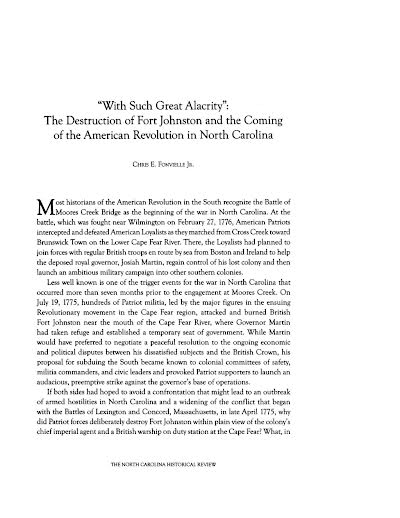
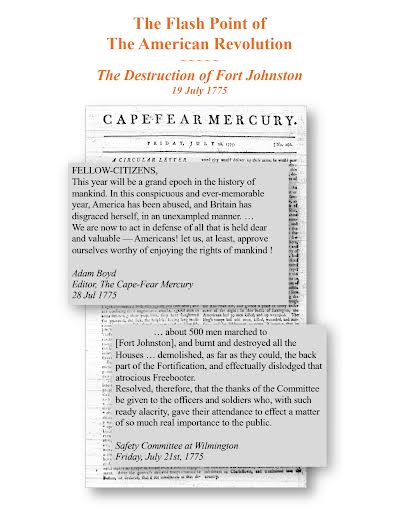
On July 19, 1775, Patriot troops burned Fort Johnston. This local event connected the Lower Cape Fear directly to the widening conflict—and placed neighbors, officials, soldiers, and families on opposing sides.
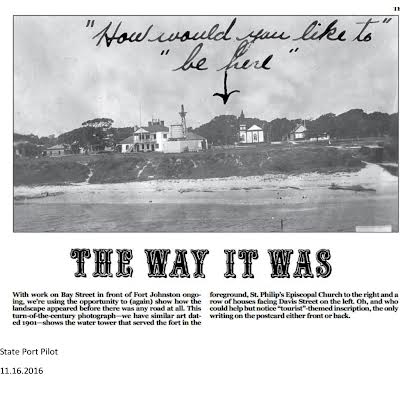
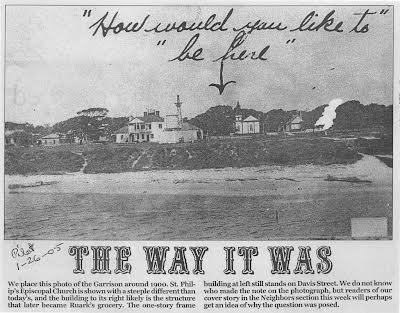
A fort remembered through later views
No image in our collection depicts the 1775 burning itself. This later postcard shows Fort Johnston from the river and helps us locate the event in the landscape Southport inherited.
Key Patriots
Our research identifies Robert Howe as the leader of the burning of Fort Johnston. John Ashe, Cornelius Harnett, Richard Caswell, and Zachariah Jacobs-Holmes also appear in records of the region’s Patriot cause.
Key Loyalists
On the Loyalist side, our records introduce royal governor Josiah Martin, Fort Johnston commander John Abraham Collet, Donald MacDonald, Allan and Flora MacDonald, and diarist Janet Schaw.
Follow the turning point
Pressure builds
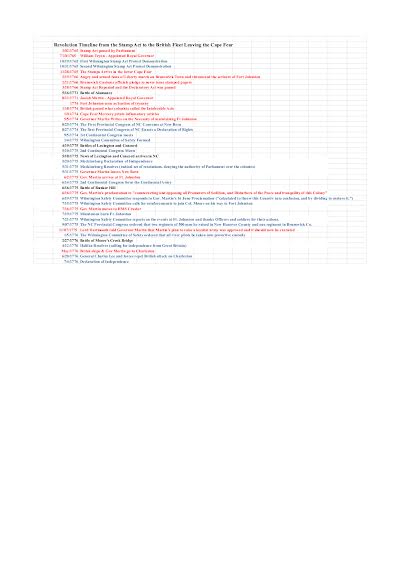
Our chronology follows events in the Lower Cape Fear in the decade before the burning.
Open this research file →Fort Johnston burns
Our 1775 chronology places the burning among the year’s events in the Lower Cape Fear.
Open this research file →The conflict continues
The regional chronology follows the Revolution into the following year.
Open this research file →Read beyond the overview
We invite you to go beyond this overview through the research papers, timelines, and family reports preserved in the archive.